By conserving biodiversity to the normal functioning of ecosystems

Carbon credits: effective forest management and their impact on the sustainable development of Ukraine in the climate crisis
15.02.2023
Online meeting of potential applicants for”LIFE”
14.03.2023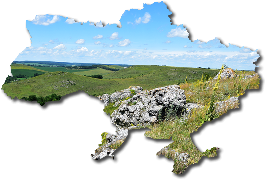
Biodiversity is the national wealth of Ukraine, the preservation and tireless use of which is recognized as one of the priorities of state policy in the field of nature management, ecological safety and environmental protection, an integral condition for improving its condition and ecologically balanced socio-economic development.
Biodiversity is the sum of all species of life, including animals, plants, aquatic inhabitants, birds, algae, fungi that interact and form ecosystems.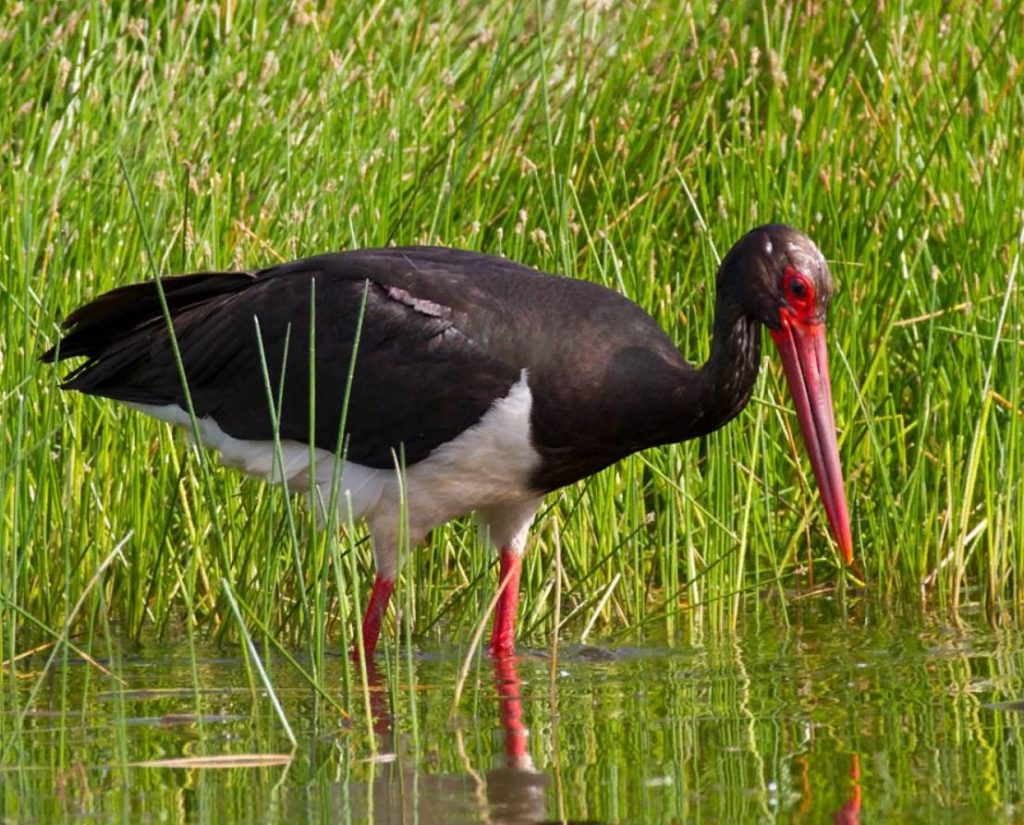
Conservation of biodiversity is critical to normal functioning of ecosystems – our forests, ponds, meadows, swamps, steppes. Further reduction of biodiversity can lead to destabilization of biota, loss of integrity of the biosphere and its ability to maintain the most important environmental characteristics. Irreversible changes could render the biosphere uninhabitable. Attention must therefore be paid to knowledge of ways and means of conserving biodiversity.
Creation of the nature reserve fund is the best way to preserve biodiversity. The Nature Reserve Fund of Ukraine is a “golden reserve” of Ukrainian nature. These are areas of land and water resources, natural complexes and facilities that have a special environmental, scientific, aesthetic, recreational and other value and are designed to preserve natural landscape diversity, the gene pool of animals and plants, maintain overall ecological balance and provide background environmental monitoring. State management of the Nature Reserve Fund of Ukraine is carried out by the Ministry of Environmental Protection and Natural Resources of Ukraine.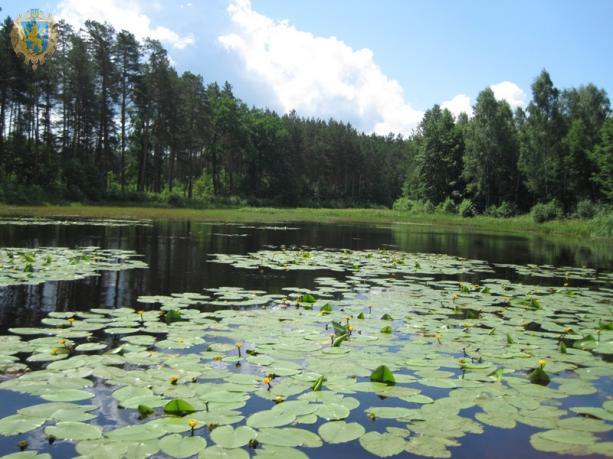
Ukrainian legislation protects the Natural Reserve Fund as national property, for which a special regime of protection, reproduction and use is established. Ukraine considers this fund as an integral part of the world system of natural territories and objects under special protection. Many important international conventions for the preservation of biodiversity have been ratified in Ukraine.
It is also possible to positively influence biodiversity preservation through the application of the procedure for assessing the environmental impact of planned activities, in accordance with the Law of Ukraine “On Environmental Impact Assessment”, which entered into force on December 18, 2017.
Environmental impact assessment is intended to identify the nature, intensity and degree of risk of any type of planned economic activity on the environment and public health.
Planning of biodiversity studies for environmental impact assessment involves the following stages:
Definition of the research object: Research subjects need to be identified to assess impacts on biodiversity that may be affected by the planned activity. These can be different ecosystems, plant and animal species, or bioregions.
Assessment of potential impact of activity on biodiversity: to determine how planned activity may affect biodiversity. This can be done through literature review, peer review, and gathering information on past impacts of similar projects on natural resources.
Development of a study plan: The research plan should include specific methods and protocols for collecting biodiversity data.
Data collection: After developing a research plan, data should be collected on the status of biodiversity in the selected research facility. This can be done through field research, sampling, monitoring and other methods.
Data analysis: Once the data is collected, the impact of proposed activities on biodiversity should be analyzed and assessed.
Preparation of report and recommendations on non-exhaustive use and impact on biological resources.
Methods used for biodiversity research include:
- Species inventory: collection and identification of all species that can be found in the territory.
- Monitoring: consists in constant observation of biodiversity in a given Different monitoring methods can be used, for example species counters, measurement of ecosystem parameters, observation of population changes, etc.
- Genetic analysis: includes the analysis of the genetic diversity of different species, which allows us to understand which species may be most vulnerable to changes in the environment.
- Ecosystem mapping: This method involves the production of maps showing the location of different ecosystems and species that inhabit this area.
Any human activity harms in one way or another natural habitats of animals, birds, plants and marine organisms. Therefore, before a decision is made to conduct an economic activity, environmental impacts, in particular pressures on biodiversity, need to be assessed.
Biodiversity research requires special knowledge about the preservation of biological and landscape diversity, natural resources, the genetic fund of living nature, as well as knowledge about the development of measures to prevent, reduce and mitigate the possible negative consequences of the negative impact of economic and other human activities on the environment.
Specialists of the “Center LTD” Company have the appropriate knowledge, have a positive reputation and experience in such studies throughout Ukraine.
Contacts for submission of individual proposals for research in the biodiversity: 79026, Lviv, Sakharova St., 41, 380 96 781 05 37, [email protected]