Attention to the business of waste producers: New classification procedure and National Waste List adopted

Today begins the training course “EcoSpeak – professional English”
24.10.2023
In Drohobych and Novy Rozdol, training was organized for internally displaced children and adults about the importance of waste separation
07.11.2023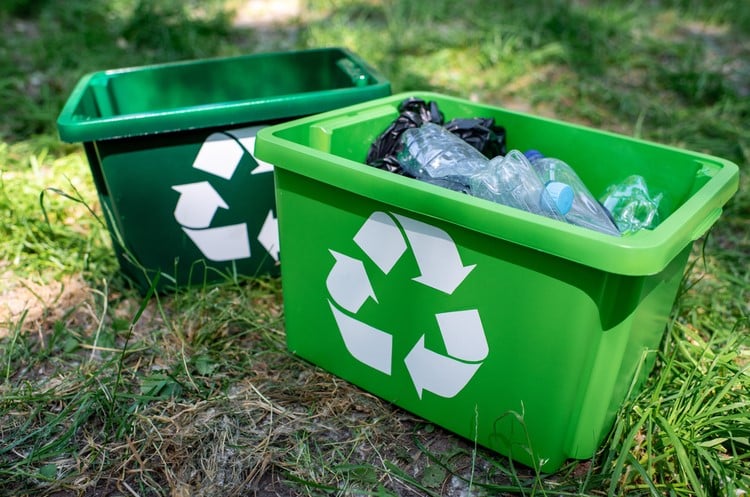
The Law of Ukraine “On Waste Management”, which entered into force on July 9, 2023, introduced a new division of waste into classes in accordance with the requirements of the EU framework directive. According to it, waste is divided into hazardous and non-hazardous waste.
On October 20, 2023, by its Resolution No. 1102, the Government approved the Waste Classification Procedure and the National List of Waste.
Once the National List of Wastes enters into force, market entities will classify waste already according to the new List of Waste and, in accordance with the Classification Procedure, will defines the code taking into account the hazardous properties of waste.
In the new National List, both waste classes and terminology meet EU requirements. The Ukrainian classification differs from the European classification only in the presence of the group “Waste generated in connection with the damage (destruction) of buildings and structures as a result of hostilities, acts of terrorism, sabotage or carrying out work to eliminate their consequences.” The reason for this group is the need for a separate accounting and management of war waste.
The website of the Ministry of Environment states that the National List of Waste will be reviewed every three years and will be subject to revision both in accordance with changes in the international practice of waste classification and based on the experience of application in Ukraine.
In general, the new National list includes 20 groups and 895 types of waste:
- groups 1–12 and 17–19 — waste originating from various industries and/or production processes;
- groups 13–15 — waste generated as a result of the use of various materials and substances;
- group 16 — waste that is not specified in other groups of the National List of waste;
- group 20 — household waste (household waste and similar waste from commercial organizations, industrial enterprises, institutions, etc.), including separately collected fractions.
Waste is classified as a group, subgroup and type of waste taking into account: source of origin of waste; properties that make waste hazardous; presence of components containing hazardous substances in the waste, exceeding the concentration limits of which may lead to the recognition of the waste as hazardous.
The results of waste classification in accordance with Clause 24 of the Classification Procedure are entered into the waste management information system by owners, waste generators, except