Are you aware of the possible harmful effects of gloss on the environment?

Successful projects of Center LTD bring our country closer to sustainable development
18.12.2021
Center LTD is 10 years old: with you and for you for sustainable development
31.12.2021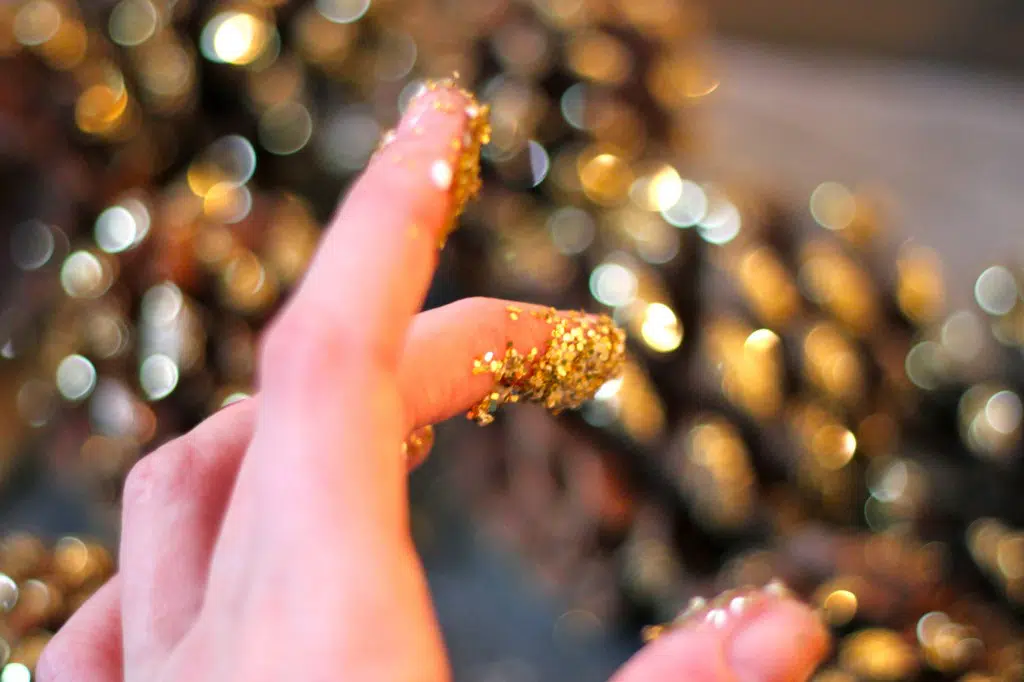
Gloss is masked plastic. Billions of items are adorned with glitter, from shimmering makeup to shiny wrapping paper. The popularity of glitter and the sheer volume used in everyday products, materials, jewelry and items pose an increasing threat to the environment and human health.
Here are five reasons to rethink your habit of using things brilliantly:
- Gloss is equal to plastic
Modern brilliance appeared in 1934, when an American farmer named Henry Ruschmann invented a method of cutting mylar and plastic sheets into tiny shapes. Until then, decorative sequins were made of glass, so not everyone could afford such a decor.
Most commercial products that contain glitter, whether disposable items such as greeting cards or more permanent items such as Christmas decorations, use inorganic glitter – mostly plastics such as polyethylene terephthalate (PET) and polyvinyl chloride (PVC). The gloss is usually layered with other materials, such as aluminum, which reinforces it and gives it extra shine. Under the microscope you can see a huge variety of shapes and sizes of glitter: hexagons, squares, rectangles and even hearts and stars ranging in size from 6.25 mm to a really tiny 0.05 mm
- Shine is harmful to water resources
Most people do not understand that shiny items of packaging, clothing, microgranules in facial scrubs are dangerous to water resources. Glitter particles are intentionally made microscopic in size (less than 5 mm) and classified as the main type of microplastic.
Shine can enter surface water bodies from our homes without being caught by sewage treatment plants and enter water bodies from landfills. The size of these particles is meager and easily absorbed by small organisms that cannot distinguish between food and plastic particles.
Microplastic particles also attract inorganic and organic chemicals to adhere to them, including polychlorinated biphenyls and toxic heavy metals. The great danger to humans is associated with the bioaccumulation of these toxins in the food chain.
- Shine decomposes over the years
Glitter can decorate your greeting cards, decorations, homes, offices and shopping malls in just a few weeks during the holidays, but it will last in the environment much longer. Some plastics, such as PVC, contain plasticizers that can prolong the degradation time of plastic. Given that plastics take hundreds, perhaps thousands of years to decompose, this is a serious threat to the environment. Gloss, like any other plastic, decomposes in the aqueous medium into smaller pieces, called secondary sources of microplastics.
After all, the only way to prevent the problem of microplastics is to get rid of shine completely.
- There is no responsible way to get rid of shine
How can we responsibly dispose of shine? This question is difficult to answer. Whichever way you dispose of it, it is likely to get into water. The most important thing is not to wash the sequins in the sink. Instead, try reusing glitter, or an item decorated with it, for a future holiday project. This still does not eliminate the risk, but only prolongs the moment of its entry into the environment.
So what to do?
If possible, try not to buy postcards or glitter paper or cosmetics that contain glitter particles. After all, the only way to prevent this type of plastic from creating problems for our water bodies is to get rid of it completely and choose an environmentally friendly alternative.
- There are ecological alternatives.
Just as manufacturers of cosmetics, including facial scrubs, are trying to use natural exfoliating materials such as apricot peel or walnuts, sequin manufacturers have begun to produce biodegradable sequins.
Biodegradable sequins are made from the cellulose of plants such as eucalyptus wood. It grows on land unsuitable for food crops and does not need a lot of water, thus ensuring sustainable forestry. In addition, these sequins are subject to composting.
We hope that this article was useful for you and wish you a sparkle in your eyes that illuminates everything around and gives joy and New Year’s festive mood!
With care for the environment,
Center LTD Company